
Google Gemini Rolls Out to Android Automotive: Upgrading Your Car’s AI
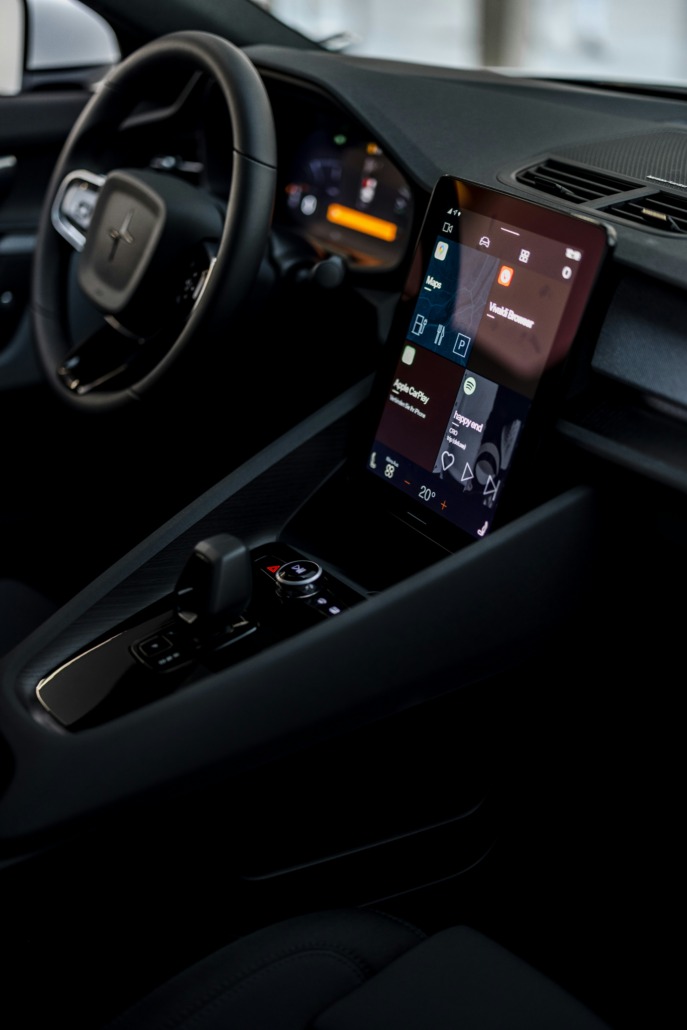
Google has officially started rolling out its Gemini AI assistant to existing vehicles running Android Automotive OS (commonly marketed as Google Built-in).
First previewed at Google I/O 2025, this native integration brings advanced conversational AI directly into the car’s hardware. Unlike standard voice assistants, Gemini can interpret casual, context-heavy commands to control native vehicle functions like climate systems and media. The rollout has begun appearing via over-the-air (OTA) updates, starting with existing Volvo models like the EX30, with broader vehicle compatibility expected over the coming weeks.
Android Automotive vs. Android Auto: What’s the Difference?
To understand why this update matters, it helps to distinguish between Google’s two distinct in-car platforms.
- Android Auto: A system that projects apps from your smartphone onto the car’s dashboard display via a USB cable or wireless connection. It relies entirely on your phone’s hardware.
- Android Automotive OS (Google Built-in): A standalone operating system integrated directly into the vehicle by the manufacturer. It controls the car’s native infotainment system, dashboard instruments, and physical hardware without requiring a connected smartphone.
While Gemini has been available on Android Auto for some time, this new rollout embeds the AI deeply into the vehicle’s core architecture.
Key Features of Gemini for Google Built-In
Vehicles receiving the update will display a notification prompt reading “Start using Gemini: your AI assistant for the car.” Drivers who prefer the classic Google Assistant experience have the option to dismiss the prompt and keep their current setup.
For those who opt in, the upgrade introduces several distinct improvements to the driving experience.
1. Contextual Vehicle Control
Traditional voice assistants require rigid, specific phrasing to execute tasks. If you wanted to adjust the fan speed, you might have to say, “Set climate control fan speed to 3.”
Gemini handles natural language and edge-case requests much more efficiently. For example, if a driver casually commands the system to “Turn the A/C up to 100%,” Gemini understands the context, automatically adjusting both the fan speed and temperature to maximum settings without requiring precise phrasing. Depending on manufacturer integration, Gemini can manage:
- Climate control and fan speeds
- Heated seats and steering wheels
- Windshield wipers and defrosters
2. Dedicated “Live” Conversational Interface
In the Android Automotive interface, Gemini is housed within a distinct, pill-shaped UI element. It includes a dedicated “Live” button directly on the screen. Tapping this button initiates continuous, back-and-forth spoken conversations with the AI, removing the need to repeatedly say a wake word or manually trigger the microphone between sentences.
When Will Your Car Get the Gemini Update?
Because Android Automotive is deeply integrated into specific vehicle hardware, the exact timing of the update depends entirely on individual automotive manufacturers and their specific OTA deployment schedules.
Volvo owners, particularly those driving the EX30, are among the first to report the update going live. Other brands utilizing Google Built-in—such as Polestar, General Motors, Renault, and Honda—are expected to roll out the new AI features inline with their standard software update timelines over the next few weeks.


Leave a Reply
Want to join the discussion?Feel free to contribute!